
What happened to the “copilot”?
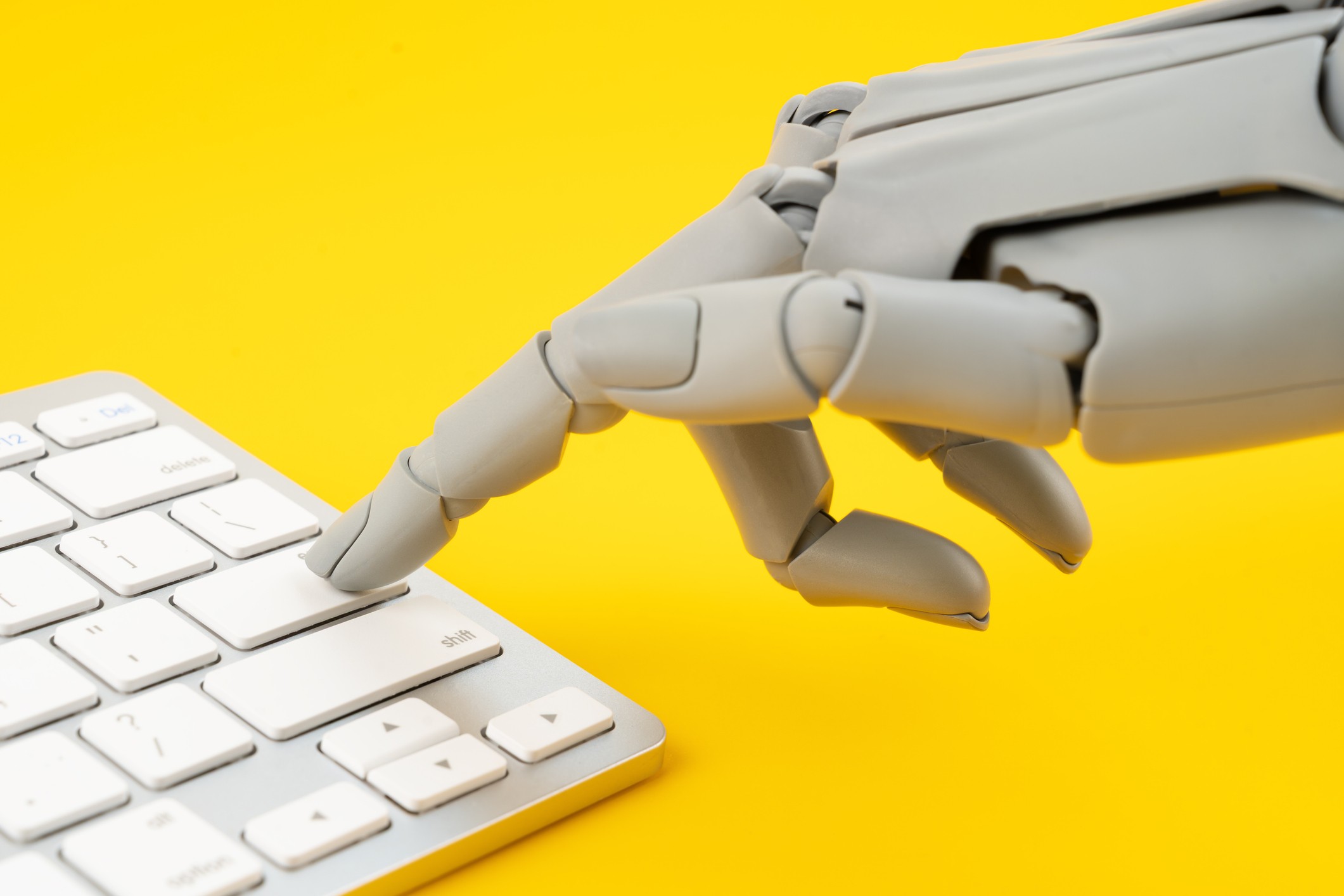
Few words became as common in corporate presentations, technology events and product announcements over the past two years as “copilot.” The metaphor seemed perfect for explaining the arrival of artificial intelligence in the workplace. As in an airplane, someone would be in command and someone beside them, helping with navigation, suggesting routes and taking on some operational tasks. The promise was seductive because it combined innovation with comfort: artificial intelligence would increase productivity without fundamentally changing how organizations work.
However, as the technology became widespread and models grew more capable, something changed. The market began showing less interest in systems that help people perform tasks and more interest in systems that perform tasks for people.
The concept of a copilot assumes the constant presence of a pilot. The concept of an agent, increasingly prominent in discussions about artificial intelligence, questions precisely that need.
The difference matters because it completely changes the logic that guided software development over recent decades. Since computers became widespread, technology has been developed to expand human capabilities. Spreadsheets allowed accountants to calculate faster. Management systems organized information previously scattered across paper files. CRM platforms helped salespeople track business relationships at scale. In all these cases, technology increased efficiency, but people continued doing the work.
The professional as supervisor
The new generation of systems based on artificial intelligence operates according to a different logic. An agent can research information, interpret documents, draft reports, respond to customers, track regulatory proceedings, consolidate data and make certain decisions without requiring continuous human interaction. The professional stops executing each step and becomes the supervisor of a set of automated processes.
This shift helps explain why so many companies are directing investment toward autonomous agents. The economic return from replacing an activity tends to be much greater than the return from simply speeding up that same activity. An organization that halves the time needed to complete a task achieves important productivity gains. An organization that completely eliminates the need for that task changes its cost structure, its operating capacity and, in some cases, even its business model.
Economic history shows that major technological transformations rarely eliminate work altogether. What they do is redistribute value, create new roles and reduce the relevance of others. Mechanization transformed agriculture. Industrial automation transformed factories. The internet transformed services. In every case, opportunities emerged that had not previously existed. However, there were also periods of adaptation marked by uncertainty and deep market reconfiguration.
Artificial intelligence has opened a new chapter in this history. The challenge becomes cultural and organizational. What is now beginning to emerge is a different reality, in which people stop operating tools and begin coordinating systems capable of carrying out significant portions of the work on their own.
In this context, the relevant question for the coming years is not whether artificial intelligence will continue advancing. All indications suggest it will. The truly strategic question is different: which activities will remain essentially human when the cost of automating specialized knowledge approaches zero?
The answer will probably define not only the future of technology, but also how companies, professions and markets will be organized over the next decade.
📌 Originally published in Época Negócios