
Using artificial intelligence is a requirement, not a differentiator
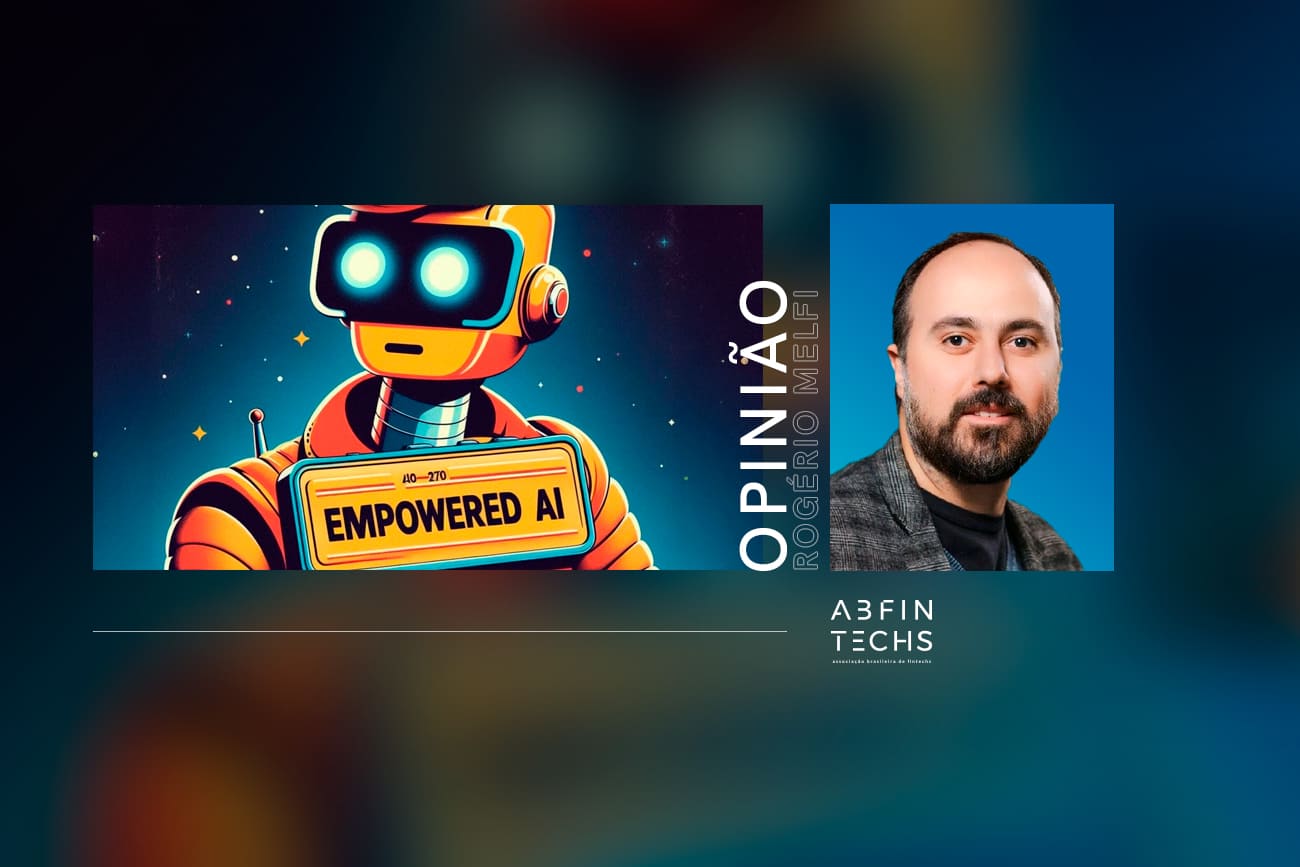
Since ChatGPT was released to the public in November 2022, the technology world has been in a frantic race to put artificial intelligence into everything. Two years later, it is time for a warning: using AI is no longer headline-worthy. It is the minimum expected.
Unless you are actually developing your own models, creating original algorithms or innovating in infrastructure, your product is not necessarily an “AI product.” It is a product, period, that uses AI as any current technology solution should.
We are surrounded by platforms that call themselves “intelligent,” “AI-driven” or “AI-powered,” often merely because they integrate a generic API or a basic automation feature. But that is not enough to justify the “AI project” label.
It takes more than using AI to be considered a genuinely artificial intelligence-centered project. You must create new value from it, rather than merely apply a technological layer over what already existed.
Today, what distinguishes a good product is not whether it uses AI, but how it uses AI. Artificial intelligence must be applied in ways that are relevant, ethical, personalized, integrated into the user experience and guided by real data.
We are talking about curation, contextual understanding and the ability to solve a problem more precisely, with less friction and greater impact. This requires product sensitivity, not merely access to tools.
Of course, some projects truly deserve the “AI project” label. They create algorithms from scratch, train proprietary models and explore new paradigms such as autonomous agents, explainable AI or continuous learning in edge computing. This is an arena of cutting-edge research and development, and should be recognized as such. But the vast majority of products and services we see in the market merely consume AI — and that alone does not make them special.
If your product still does not explore AI to reduce friction, accelerate processes, personalize experiences or generate better decisions, it is behind. In 2025, the absence of artificial intelligence from the design or operation of a technology project is almost a sign of competitive negligence.
The good news is that the tools are available, infrastructure is accessible and experimentation is possible even in small teams. What is often missing is simply the courage to go beyond labels and treat AI as a structural foundation, rather than a marketing appendage.
Before calling your product or project an “AI solution,” ask yourself honestly: is something truly new being done with artificial intelligence? Or are we merely riding a wave of buzzwords? Artificial intelligence is undoubtedly one of this generation’s most powerful technologies.
But its real value is not in the shop window — it is behind the scenes. It lies in what it enables, what it makes possible and what it truly transforms in people’s lives.
📌 Originally published in Inovativos