
This looks like AI
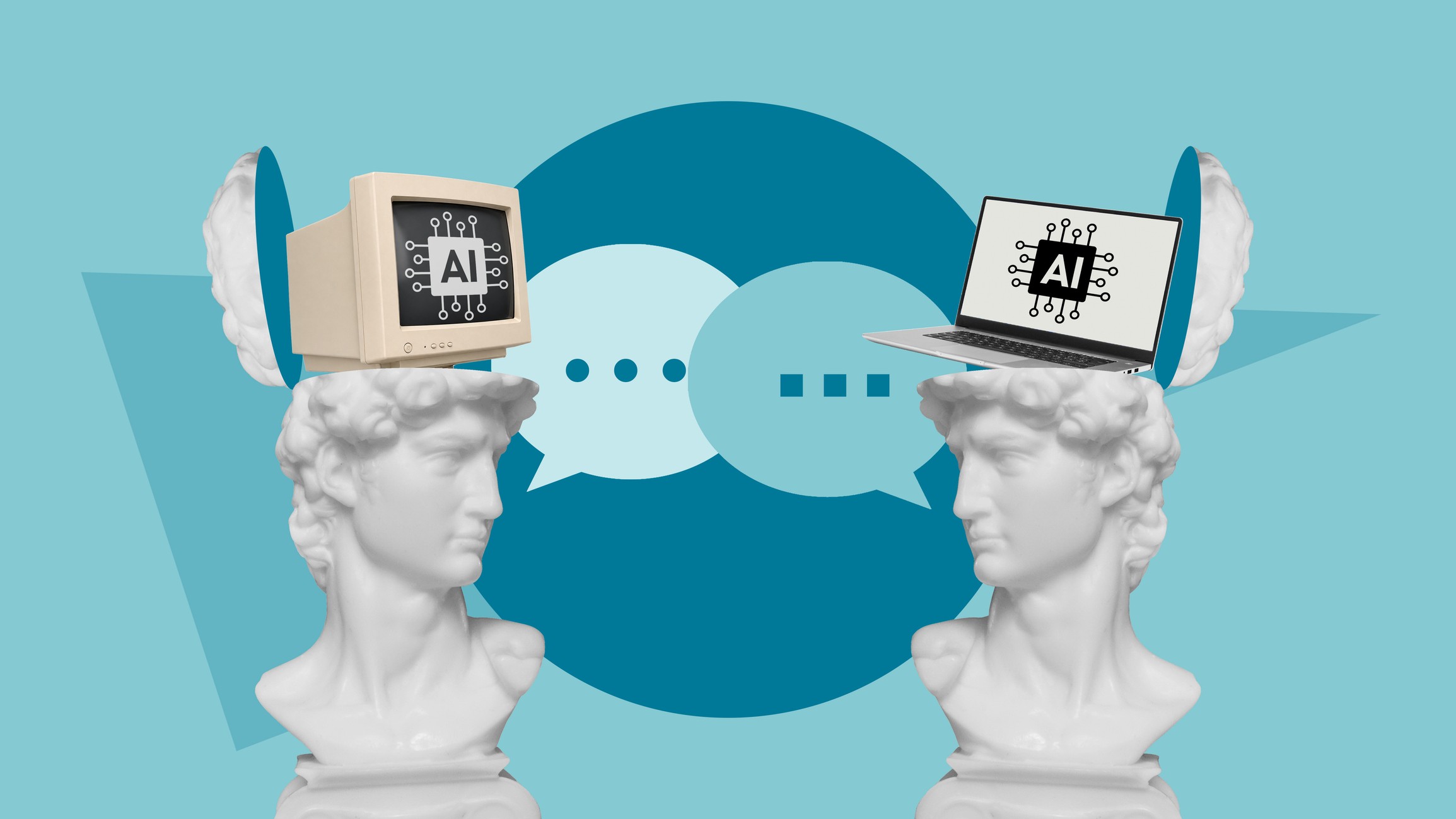
You open a presentation and start going through the slides. It looks good, organized and visually consistent. But something catches your attention. The arrangement of the elements, the icons, the symmetry. At some point you recognize it: this was made with artificial intelligence.
Something similar happens with a text. It is correct and well structured, but some familiar signs appear. Certain words, sentence constructions, a particular way of organizing the reasoning. In an image, it might be the lighting, the composition or that slightly exaggerated perfection.
The more we use artificial intelligence, the better we become at recognizing its patterns. And along with that ability, we are developing a new kind of prejudice.
Because something curious happens when we recognize AI: our assessment can change. The presentation is still good, the text still makes sense and the image still looks beautiful. Even so, it can start to seem less creative, less sophisticated or less authentic.
Recently I received a work presentation and recognized it immediately: made with Claude. The icons, the color palette, the slide structure — I had used the same tool before, so the pattern jumped out before I even read the content. And then exactly what I describe here happened: I did not take it seriously. Before assessing whether the idea made sense, whether the numbers added up or whether the proposal was good, I had already decided that the work carried little weight.
Part of that reaction may come from the connection we still make between value and effort. A good text required hours of research and writing. A sophisticated presentation could take days. A good image required technical knowledge. When AI makes it possible to achieve a similar result in minutes, it is tempting to conclude that if it was easier to make, it should be worth less.
There is also an interesting paradox. When we say we recognize an “AI text,” we are often identifying precisely the features we have always considered positive: organization, clarity, correctness and structure. In images, we distrust perfection. In presentations, excessive organization.
Poor workmanship, curiously, starts to function as proof of authorship.
Artificial intelligence produces empty texts that look profound, convincing images of things that never existed and impeccable presentations that say nothing. It has also made it possible to produce mediocre content on a gigantic scale.
When we recognize that something was produced with AI, we could ask whether it is good, whether the facts are true, whether there is a relevant idea and whether someone is willing to take responsibility for what is being presented.
Because the boundary is also becoming less clear. Someone can have an idea and use AI to structure it. They can write and ask for a revision. They can research with AI and reach their own conclusion. They can generate a presentation and redo half of it. Or they can simply accept the first answer and publish it. We call all of this “made with AI,” although these are completely different things.
Perhaps what is losing value is not human authorship, but some of the things we used as signs of competence. If anyone can produce a beautiful presentation or a correct text in a few minutes, the distinction lies less in execution and more in the ability to ask good questions, choose what matters, recognize errors, connect ideas and take responsibility for the result.
So the next time I look at a text, an image or a presentation and immediately think “this is AI,” it may be worth asking a second question:
Did I find a problem in what I am seeing, or did I merely recognize the tool that helped produce it?
The difference between those two things can reduce my “this looks like AI” prejudice.
📌 Originally published in Época Negócios