
Could age verification for apps and platforms become surveillance?
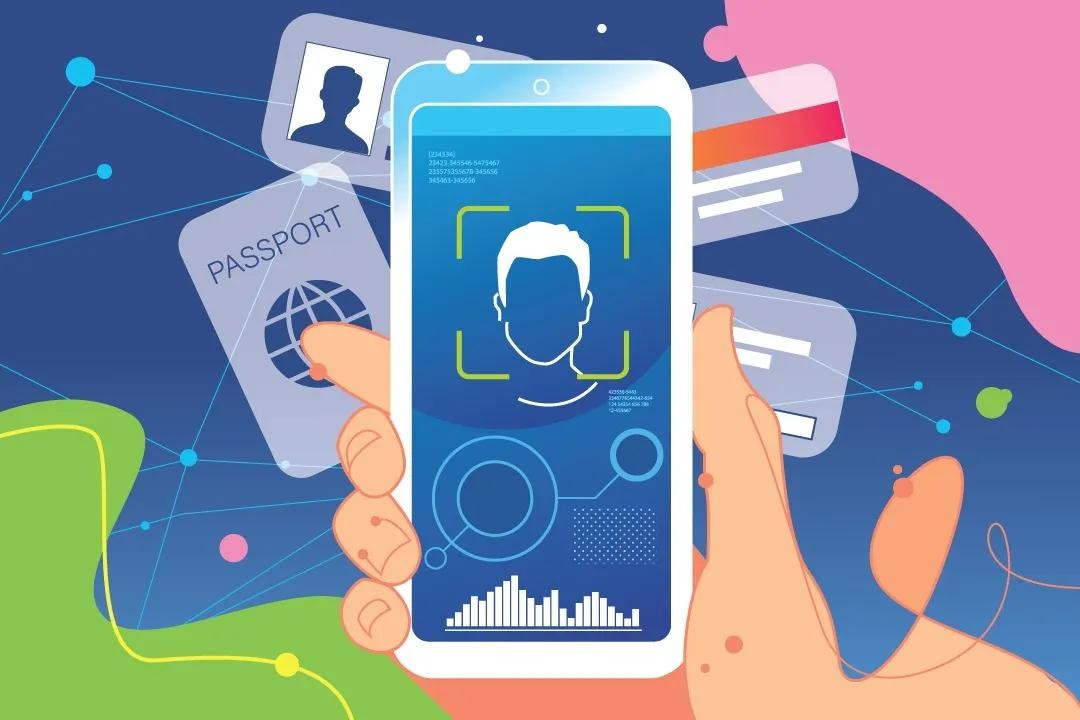
Anyone with a teenage child has probably noticed: platforms that once required only a click now demand proof of age. A selfie with facial recognition, a scanned document or even behavioral analysis. The justification is to protect minors from inappropriate content and reduce risks in environments such as Roblox, TikTok or social networks. And in Brazil, with the Digital Child and Adolescent Statute taking effect in 2026, this has gone from an option to an obligation.
In the analog world, the logic is simple and longstanding: you show your ID at the nightclub entrance or the liquor store checkout, the attendant checks it, lets you through — or not — and forgets. The information ends there, at the moment of interaction. No one keeps your ID to cross-reference it with your purchase history or browsing habits later.
The digital world reverses this equation. Verification stops being a one-off event and becomes permanent. When a platform collects facial biometrics or official identity data, it is not merely checking whether you are 18; it is building — or expanding — a persistent profile. Even if it can “discard after validation,” the temptation to retain metadata, usage patterns or even the facial template itself is enormous. And the asymmetry is stark: on one side, users hand over an irreversible piece of themselves; on the other, companies accumulate informational power at scale.
This is where the debate about age verification becomes a debate about digital identity. The question that matters is not “how do I prove I am an adult?” but “how do I prove an attribute without handing over my entire identity?”
Technologies for this already exist. Models based on verifiable credentials, decentralized identity and even cryptographic zero-knowledge proofs (ZKPs) allow someone to demonstrate “I am over 18” without revealing their birth date, name, Brazilian taxpayer ID or any persistent trace. The platform receives only the necessary “yes/no,” similar to the physical world, where the verifier sees your photo and approximate age but does not keep a copy of the document.
When we choose strong biometrics or centralized identification, we normalize a different architecture: one in which every access becomes a pretext for additional collection. The risk lies not only in the tool’s immediate use, but in the door it opens — a door that, once opened, rarely closes.
Protecting minors is an urgent duty. But the chosen path matters. Exchanging a visible risk — early exposure to inappropriate content — for an invisible one — the accumulation of sensitive data, loss of autonomy and concentration of power in a few platforms’ hands — can be a poor bargain.
The future of the internet will depend less on the technologies we invent than on the architectures we choose to institutionalize. We need a digital identity that empowers individuals. Verifiable, but not surveilled; controlled by those who own it, not those who collect it.
Ultimately, are we building a digital environment that protects people, or systems that learn a little more about them with every verification?
📌 Originally published in Época Negócios